
Executive Summary
- • Legacy T-1 reporting causes a 24-hour blind spot in customer behavior.
- • Real-time pipelines enable instant fraud detection and personalized offers.
- • Transitioning doesn't require a full core replacement; use an API middleware layer.
In the fast-paced world of digital finance, waiting 24 hours for a report is akin to driving with your eyes closed. For decades, the banking industry has relied on end-of-day batch processing (T-1) to reconcile accounts and analyze performance. In 2025, this is no longer sufficient.
The T-1 Blind Spot
Imagine a customer attempts a large transaction that fails due to a false fraud flag. In a T-1 environment, your retention team sees this event the next morning. By then, the customer has already vented on social media and opened an account with a digital-first competitor.
"Speed is the new currency. If you can't react to a customer's need within seconds, you don't know your customer."
Building the Real-Time Pipeline
Moving to real-time analytics doesn't mean ripping out your legacy core. The modern approach involves building an Intelligence Layer that sits on top of your ledger.
Using tools like Apache Kafka for event streaming and Sistemmatika Platform for immediate visualization, banks can ingest transaction logs as they happen. This creates a live nervous system for the organization.
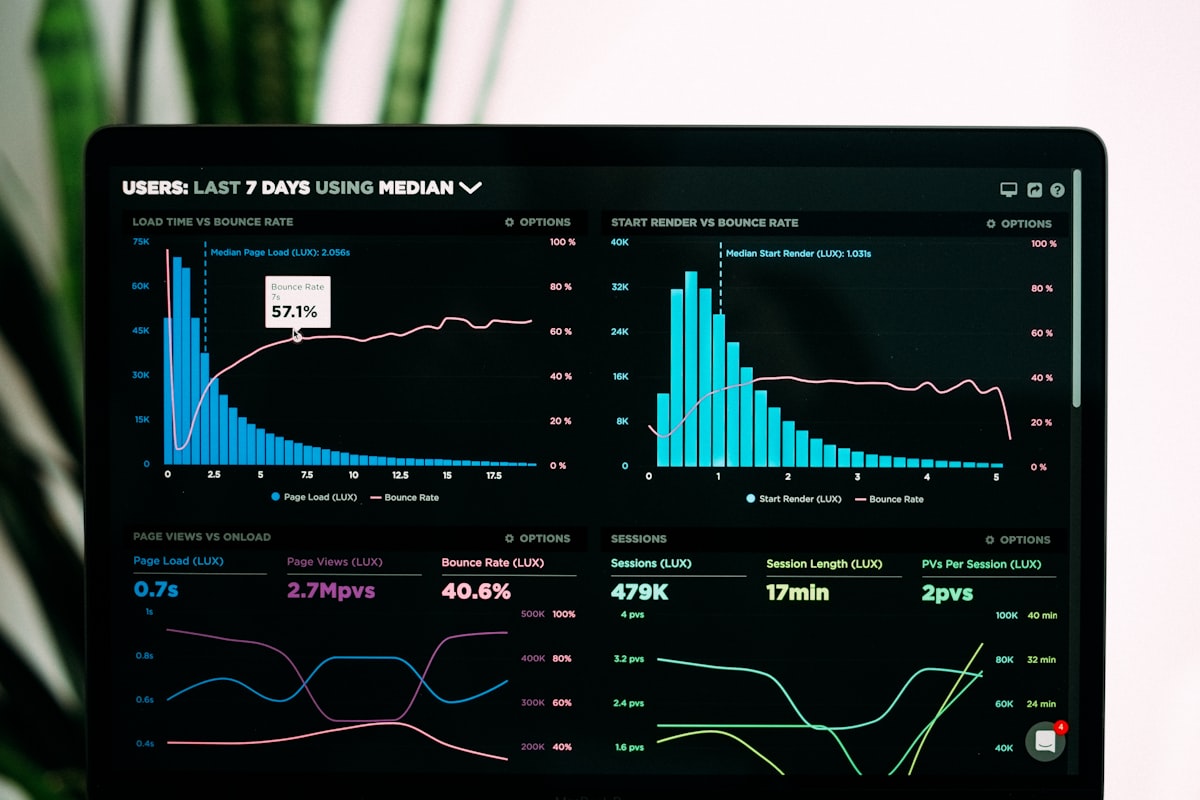
Figure 1: Latency reduction after implementing streaming architecture.
Business Impact
The ROI of real-time data is immediate. Our clients typically see:
- 15% reduction in churn due to proactive intervention.
- 20% increase in cross-sell conversion by offering products at the exact moment of need.
- Drastic reduction in manual reporting hours.
Ready to eliminate your data blind spots?
See how Sistemmatika processes banking events in milliseconds.